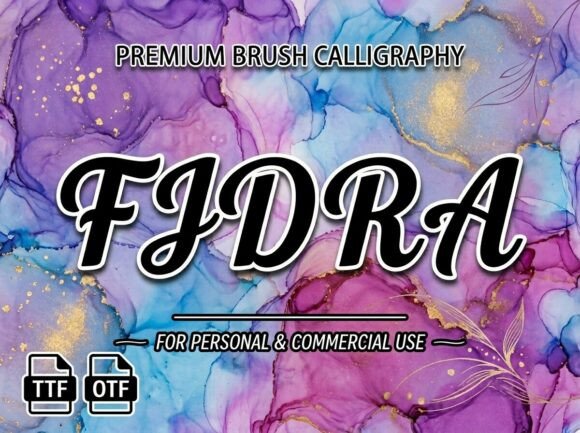
Fidra: The Handcrafted Script Font with Endless Creative Appeal
There's a certain magic in designs that feel genuinely human. In a world saturated with sleek, digital perfection, that touch of organic warmth, the slight, beautiful imperfection of a hand-lettered word, can stop a viewer in their tracks. It communicates authenticity, care, and a story waiting to be told. This is the exact feeling that the Fidra typeface was created to evoke. It’s not just another script font; it’s a tool for injecting soul into your creative work, transforming standard text into a compelling visual voice.
Imagine a font that carries the fluidity of a master artist's brush, where each letterform flows into the next with a natural, rhythmic grace. Fidra’s bold, heavy strokes are soft and approachable, avoiding the sometimes intimidating sharpness of other display fonts. This creates a friendly visual weight that feels both artisanal and polished. It’s the typography equivalent of a warm handshake—confident, inviting, and memorable. For anyone building a brand, launching a product, or crafting a campaign, this balance is gold.
More Than Just a Pretty Script: Where Fidra Truly Shines
Understanding a font’s personality is one thing; knowing how to deploy it effectively is where the real value lies. Fidra’s versatility is its superpower, making it a fantastic addition to your design assets. Its character lends itself beautifully to projects where personality and connection are paramount.
For brand identity and logo design, Fidra can become the cornerstone of a brand’s visual language. Picture it as the hero typeface for a boutique coffee roaster, a handmade soap company, or a custom stationery studio. It instantly communicates a story of craftsmanship and personal attention, helping with brand recognition and setting a distinct tone before a customer even reads the tagline.
This extends seamlessly into packaging design. On a shelf crowded with sterile sans serifs and predictable serifs, a product label or box featuring Fidra’s organic letterforms stands out. It suggests the product inside is special, made with care. Think artisan chocolates, small-batch jams, or premium skincare—the font itself becomes part of the product’s perceived value and quality.
The Digital Handshake: Fidra in Online Spaces
In the fast-scrolling world of social media and digital content, first impressions are formed in milliseconds. This is where Fidra’s approachable yet bold nature truly excels. It’s an exceptional choice for social media graphics, especially for headers, quote cards, or promotional banners. Its high readability at a glance ensures your message cuts through the noise, while its friendly aesthetic encourages engagement. A content creator or blogger can use it to add a consistent, personal signature to their visual content, strengthening their brand identity across platforms like Instagram, Pinterest, and TikTok.
For web design, Fidra is best used strategically. It’s a star performer for hero sections, impactful headings, and call-to-action buttons where you want to inject personality. Pairing it with a clean, highly legible sans serif font for body text creates a beautiful hierarchy that is both engaging and easy to read. This combination guides the user’s eye effectively, improving the overall professional presentation and user experience of a site.
From Screen to Shelf: Tangible Applications
The utility of a great script font like Fidra isn’t confined to the digital realm. Its handcrafted feel translates powerfully to print and physical merchandise. Imagine it on:
- Merchandise and Apparel: A bold, friendly script on a t-shirt, tote bag, or hat feels more personal and boutique than a standard blocky font. It’s perfect for casual apparel brands looking for that indie, maker-inspired vibe.
- Print Materials: Business cards, thank-you notes, and letterheads gain an immediate touch of warmth and approachability. For a small business owner, this tactile experience can leave a lasting impression on clients.
- Posters and Invitations: Whether it’s for a local market, a workshop, or a special event, Fidra helps create invitations and posters that feel celebratory and bespoke. Its visual weight ensures headlines are noticed, while its fluidity keeps the design feeling elegant.
- Editorial Design: In magazines, lookbooks, or book covers, Fidra can be used for feature titles, pull quotes, or chapter headings to add a dynamic, human element that complements more structured body text.
This makes it a valuable commercial font for entrepreneurs and designers who work across multiple mediums. Achieving visual consistency from a website to a product’s hang tag is crucial for building a cohesive brand, and a versatile typeface is a key tool in making that happen.
Practical Wisdom for Using a Bold Script
While Fidra is designed for maximum impact, a few practical considerations will help you use it like a pro. First, always consider your context. Its bold, expressive nature is built for headlines, logos, and short phrases—not for paragraphs of body copy. Readability is key, and long blocks of connected script text can be challenging to parse.
Second, master the art of the font pairing. The goal is balance. Let Fidra be the star of the show, the element that draws the eye. Support it with a neutral, highly legible partner. A simple serif font like Lora or a geometric sans serif font like Montserrat can provide the perfect contrast, allowing the script to shine without overwhelming the design. Always test your pairings in the context of your actual project to ensure they harmonize.
Finally, review the full font package. A quality premium font often includes multiple styles—perhaps alternates, ligatures, or swashes. These extras allow you to customize the text further, adding unique flair to logos or special headings and ensuring your use of the font feels truly original. And, of course, always ensure you have the correct commercial licensing for your project, whether it’s for a client, a product you sell, or your own brand’s assets.
In the end, choosing a typeface like Fidra is about choosing a voice. It’s for the designer, marketer, or creative entrepreneur who understands that great design isn’t just seen—it’s felt. It’s for the project that aims to connect on a human level, to communicate not just a message, but a feeling. By embracing its handcrafted warmth and thoughtful versatility, you can craft visuals that are not only professional but profoundly personal. That’s the real power of finding the right tool for the creative job.