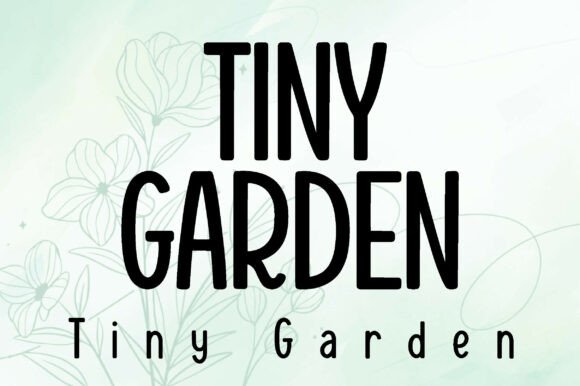
Tiny Garden: The Whimsical Font That Feels Like a Hug
There’s a certain magic in designs that feel personal, handcrafted, and genuinely warm. In a world saturated with sleek, impersonal digital interfaces, a touch of whimsy can be the very thing that makes a project memorable. This is where the right typeface becomes more than just letters on a page; it becomes a voice. Tiny Garden is a premium font designed to be that voice—a soft, playful, and adorably whimsical handwritten font that injects instant charm into any creative endeavor. It’s crafted specifically for projects that aim to delight, from children's branding and nursery décor to lively logos and heartfelt invitations.
More Than Just Cute Letters
At first glance, you might categorize Tiny Garden as a simple display font or a script font. But its true strength lies in its careful balance. Unlike some overly decorative typefaces that sacrifice legibility for style, Tiny Garden is engineered for real-world use. The letterforms flow with a natural, gentle rhythm that makes it surprisingly readable, even in longer phrases. This makes it a versatile creative font that doesn’t just look pretty—it communicates effectively. It’s a tool for designers who need to add a handcrafted touch without compromising on clarity, whether it’s for a product label, a social media post, or a children’s book title.
A Garden of Creative Possibilities
The applications for a font like Tiny Garden are as diverse as the imagination. Its inherent warmth makes it a natural fit for projects targeting families, young audiences, or anyone seeking a softer aesthetic. Consider using it for:
- Brand Identity & Logo Design: For bakeries, boutiques, toy stores, or any small business wanting to project approachability and care. A logo set in Tiny Garden feels friendly and trustworthy.
- Packaging Design: Imagine this font on artisanal jam jars, children’s snack boxes, or handmade soap labels. It tells a story of craftsmanship before the product is even used.
- Invitations & Event Stationery: Perfect for baby showers, birthday parties, and whimsical wedding details. It sets a joyful, celebratory tone from the first glance.
- Digital Content & Social Media: Use it for Instagram graphics, YouTube thumbnails, or blog headers to create a cohesive, friendly visual identity that stands out in a feed.
- Editorial & Web Design: As a complementary typeface in layouts, it can highlight quotes, call-to-action buttons, or section headers, adding personality to otherwise structured editorial design or web design.
Think of it as a design asset that bridges the gap between professional modern typography and heartfelt expression. It’s not trying to be a universal workhorse like a serif font or a sans serif font; it’s a specialist that excels in adding a specific, desirable emotion.
Building a Cohesive Visual Story
One of the biggest challenges in design is maintaining visual consistency across all touchpoints. A font like Tiny Garden can serve as the cornerstone of a brand identity for the right project. When used consistently on a website, social media profiles, and printed materials, it reinforces brand recognition. Customers begin to associate that friendly, handwritten style with your business’s personality.
However, smart font pairing is key. A whimsical font works best when balanced with something clean and structured. Try pairing Tiny Garden with a simple, geometric sans serif font for body text. This contrast ensures that the playful font remains impactful for headlines and key messages while the overall layout stays readable and professionally presented. This thoughtful combination enhances audience engagement by making the design both attractive and easy to consume.
Practical Tips for Using Whimsical Fonts
Before integrating a handwritten font like Tiny Garden into your next project, a few practical considerations can make all the difference.
- Test for Context: Always view your chosen font in the context of your entire project. A font that looks adorable on a wedding invitation might feel out of place on a corporate report. Ensure its personality aligns with your project goals.
- Prioritize Readability: Whimsical fonts are best used for short bursts of text—headlines, logos, subheadings. For paragraphs of body copy, stick to a highly legible serif font or sans serif font.
- Explore the Full Family: Many premium fonts come with multiple styles (regular, bold, italic) or even complementary ornaments. Reviewing all included font styles can unlock additional creative possibilities for hierarchy and emphasis in your designs.
- Understand the License: If you’re using the font for commercial projects—a client’s logo, product packaging, or marketing assets—always verify the licensing terms. This ensures you’re covered for commercial use, which is a critical step for any creative entrepreneur or designer.
The Warmth of a Handcrafted Touch
In the end, choosing a typeface is an emotional decision. Tiny Garden isn’t just another display font in your library; it’s a pathway to creating designs that feel genuine and inviting. It transforms standard text into a narrative element, adding a layer of personality that can make a brand feel more human, an invitation more exciting, and a product more desirable. For designers, marketers, and hobbyists alike, it represents a valuable tool for projects where warmth and charm are the ultimate goals. By thoughtfully applying its soft, playful appeal, you ensure your typography does more than just inform—it connects.